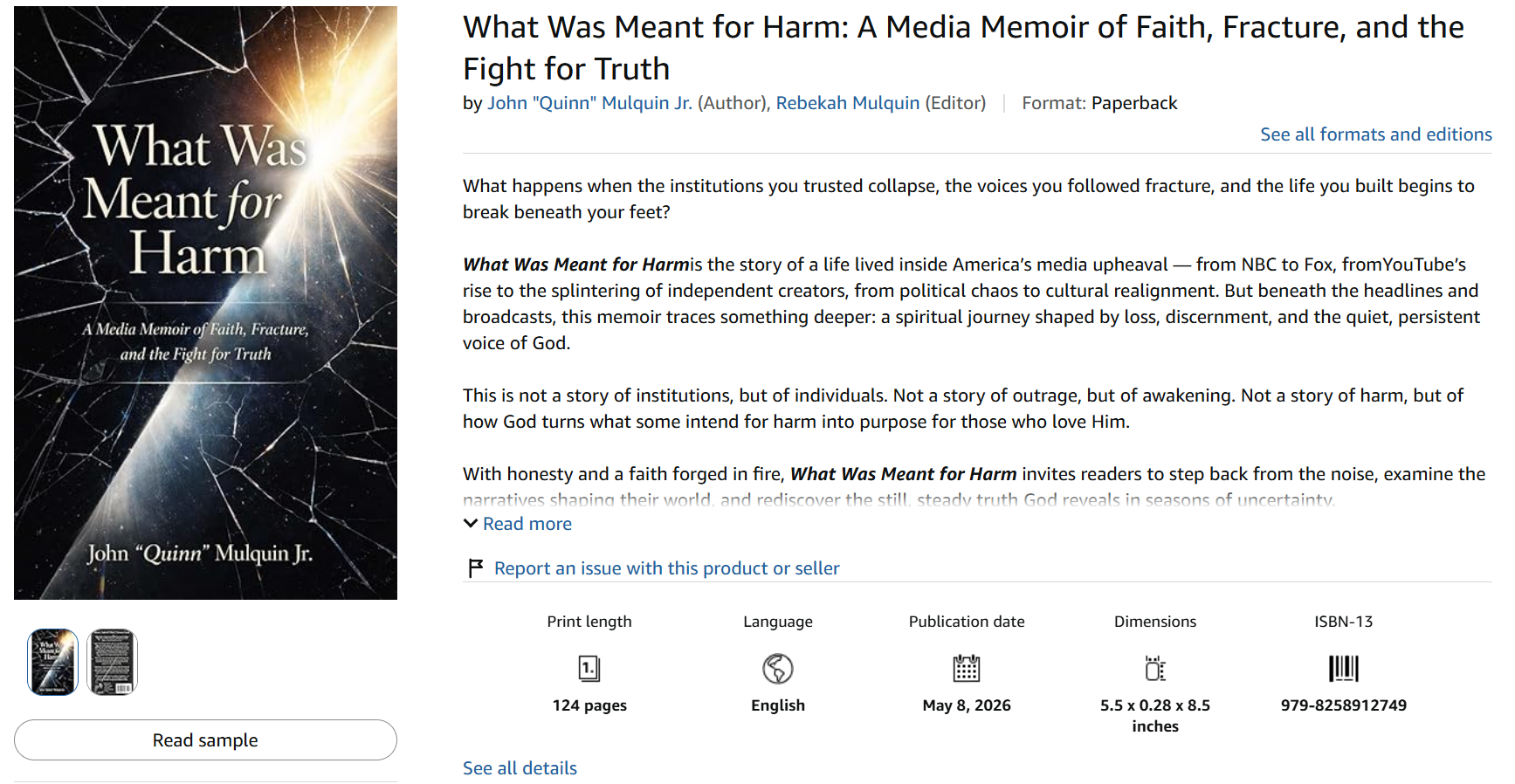
by John-Quinn Mulquin Jr.
A Utah judge ruled last Friday that cameras will remain in the courtroom for the trial of Tyler Robinson, the man accused of fatally shooting Charlie Kirk. The preliminary hearing has been pushed to July 6. The proceedings continue. The media cycle churns. And somewhere in a Hill Country farmhouse, a veteran and author is watching all of it — because he lived it in real time, and put it in a book.
What Was Meant for Harm launched May 8, 2026. The timing is not lost on me.
I Didn’t Plan to Write About Charlie Kirk
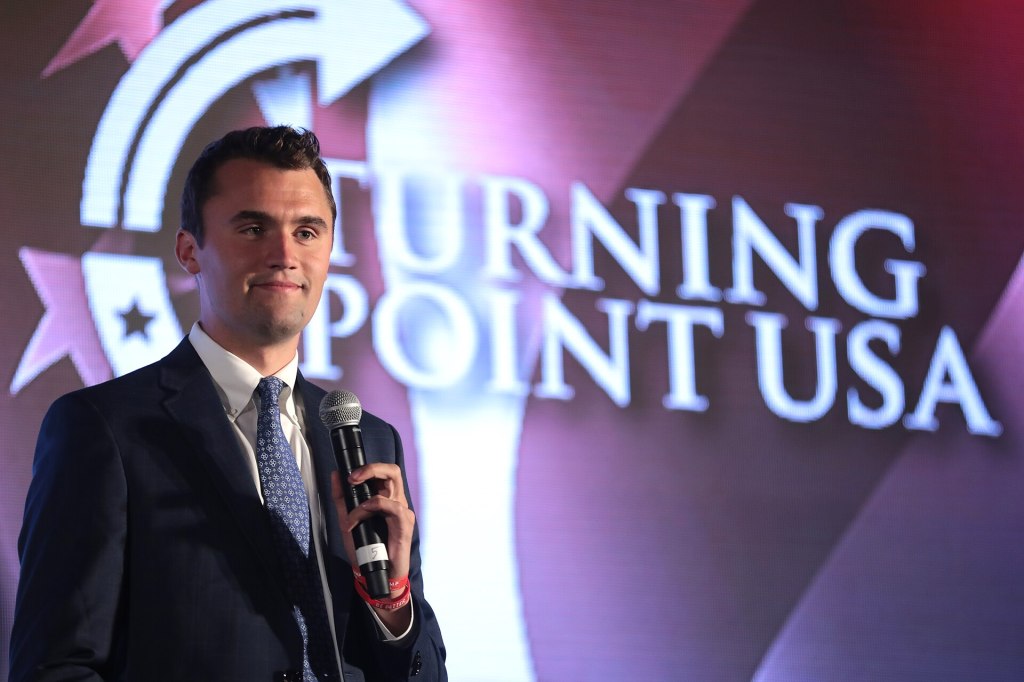
When I started writing this media memoir, Charlie Kirk was one voice among many I was tracking in a shifting media landscape. He showed up in my life the way he showed up in a lot of people’s lives — through a college campus speech, a podcast clip, a debate highlight. I was a combat medic who’d come home from Iraq, rebuilt his life from scratch, and was trying to make sense of a country that seemed to be coming apart at the seams.
By 2021, the picture had sharpened. The memoir records what I observed:
Charlie Kirk built Turning Point USA into a powerhouse, showing how the Fruit of the Spirit could be applied to American values in the political youth landscape.
That’s not flattery. That’s what I saw from the outside looking in — a man who understood that the culture war was first a spiritual war, and who organized accordingly.
He Kept Showing Up
The memoir spans years of American turbulence. Kirk keeps appearing — not because I engineered it, but because he was there. By 2024:
Charlie Kirk and Turning Point USA were credited with their Get Out the Vote campaign. Kirk was also credited with bringing former Democratic candidate Robert F. Kennedy Jr. and the MAHA movement into the MAGA Trump administration.
Whether you agreed with his politics or not, Kirk was doing something that mattered: he was building, connecting, and showing up. He was a bridge-builder at a time when most people were burning them.
And I was watching. Taking notes. Living my own version of the American story — the veteran who couldn’t find his footing, the father trying to hold his family together, the man who believed God wasn’t done with him yet.
Then September Came
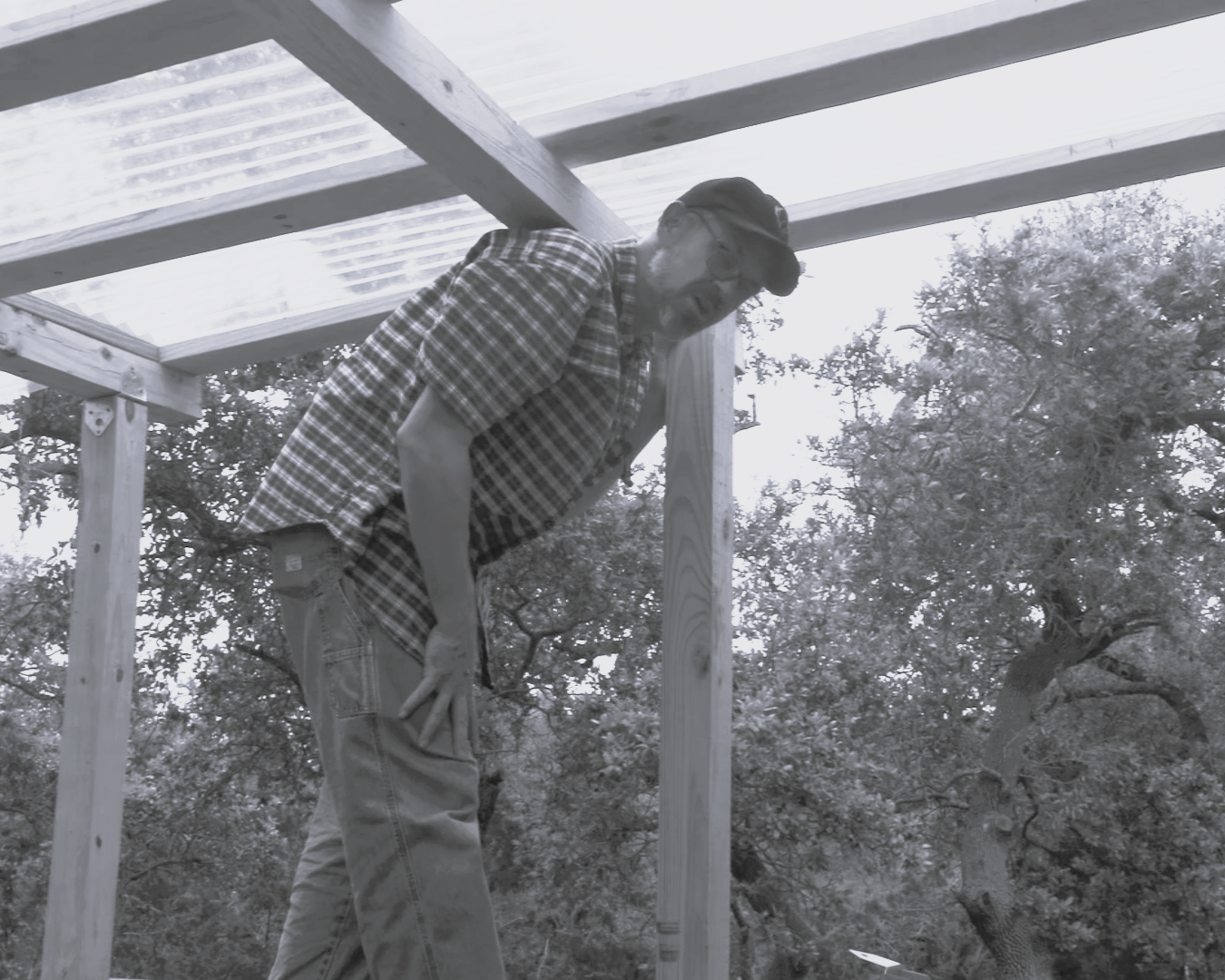
I was tearing down a porch roof on September 1st — literally, physically dismantling something broken so something better could be built. That’s also what the memoir is about.
I was uploading footage when the news broke.
I was uploading the video for editing, simultaneously listening to YouTube and scrolling on X, when the news of Charlie Kirk’s assassination appeared. One shot. One hit. One dead.
What followed was grief I didn’t expect. I reposted his words. I prayed publicly on X. I wrote out a prayer that I still stand behind — and included it in full in the book, because it captures what that moment revealed in me:
“I am sad. I am angry. I did not personally know @charliekirk11, but like many of you, trust that God has used Charlie to great effect. An American Patriot, but more importantly, a soldier for Christ.”
I meant every word. I still do.
What His Death Unlocked
There’s a moment in grief — if you’re honest enough to stay in it — where the loss stops being just loss and starts being a mirror. Kirk’s death did that for me. The book goes there:
A part of me was jealous. I wished I could have taken that bullet. His life was worth more than mine. I might have deserved to die, but Charlie did not. I knew in my spirit that I was learning something I hadn’t learned before. I didn’t have the words yet, only the sense that something in me had changed.
That’s not performance. That’s what it felt like in my home studio on a Tuesday in September. My wife and I cried. We told our son. I prayed with the youth group that evening.
His death became a turning point for me — not in spite of my faith, but because of it.
The Bigger Picture
Patrick Bet-David called Kirk a combination of Reverend Billy Graham and radio icon Rush Limbaugh. That framing is in the book, and I think it holds. The number of lives touched — thirteen years on college campuses, millions of podcast listeners, strategic influence over presidential politics — staggers the imagination when you sit with it.
And yet what the book ultimately argues is that Kirk’s greatest work wasn’t political. It was personal. It was the witness. It was the man who could have become a media personality who instead chose to be a servant of Christ in public life.
His death re-awakened my spirit to the evils of this world, truth behind conspiracies, and the importance of open free speech and conversation. God would use Kirk’s death in my life as a springboard into a season of tremendous sorrow — but one that would lead to restored faith and future hope.
That’s the arc of What Was Meant for Harm. And it’s why I wrote it now, rather than ten years from now when the edges had softened.
This Book Is For You If…
You watched the Kirk coverage and felt something shift inside you. You’re a veteran trying to find language for what the civilian world doesn’t understand. You’ve been following the conservative media landscape and wondered where faith fits into all of it. You’ve had a turning point you haven’t put words to yet.
This memoir puts words to mine — combat, divorce, fatherhood, faith, failure, and the slow, grueling work of becoming who God made you to be.
Get the book on Amazon — Kindle, paperback, and hardcover: https://a.co/d/05juIdfJ
What Was Meant for Harm — Available now.
John-Quinn Mulquin Jr. is a U.S. Army veteran, author, and founder of Quinn’s Next Step. He lives in Texas with his wife and son.